

Top Nutrition Secrets for Building Muscle
Building muscle isn’t just about crushing it in the gym—it’s about what you put on your plate. You can follow the most intense workout program in the world, but without proper nutrition, you’re leaving serious gains on the table. After years of trial and error, research, and working with countless fitness enthusiasts, I’ve discovered that certain nutrition strategies make all the difference between spinning your wheels and actually building the physique you want.
Let’s dive into the nutrition secrets that will transform your muscle-building journey.
The Protein Timing Window Isn’t What You Think
For years, we’ve been told about the magical “30-minute post-workout window” where you absolutely must consume protein or lose all your gains. The truth? It’s far more nuanced than that.
While post-workout nutrition matters, recent research shows that your total daily protein intake and consistent protein distribution throughout the day are far more important than obsessing over that immediate post-workout shake. Aim for 0.7-1 gram of protein per pound of body weight daily, spread across 4-5 meals.
That said, consuming protein within a few hours after training does help optimize muscle protein synthesis. Consider a high-quality whey protein powder for convenience, especially if you struggle to hit your protein targets through whole foods alone.
Carbs Are Your Secret Weapon, Not Your Enemy
Here’s a controversial take in today’s keto-obsessed world: if you’re serious about building muscle, you need carbohydrates. Carbs aren’t just energy—they’re anabolic.
When you lift weights, you deplete muscle glycogen. Adequate carbohydrate intake replenishes these stores and triggers insulin release, which helps shuttle amino acids into muscle cells. Plus, training with depleted glycogen stores significantly reduces your performance and limits progressive overload.
Focus on complex carbohydrates like sweet potatoes, oats, brown rice, and quinoa. Time your highest carb meals around your training—before for energy and after for recovery. A quality carb powder like cyclic dextrin can be particularly useful for those struggling to eat enough around workouts.
The Overlooked Power of Meal Frequency
While intermittent fasting has its place, it’s not optimal for muscle building. Muscle protein synthesis is like a light switch—it turns on with adequate protein intake, peaks around 90 minutes, and then drops back down even if amino acids are still elevated.
This means that eating protein every 3-4 hours throughout the day provides more opportunities to stimulate muscle growth compared to cramming all your protein into 2-3 large meals. You don’t need to eat every 2 hours like old-school bodybuilders claimed, but strategic meal spacing matters.
Plan for at least 4 solid meals per day, each containing 25-40 grams of protein depending on your body weight and goals.
Fats: The Hormone Optimization Secret
Dietary fat often gets overlooked in muscle-building discussions, but it’s absolutely critical. Fat plays a vital role in testosterone production and hormone regulation. Studies show that diets too low in fat can suppress testosterone levels by up to 20%.
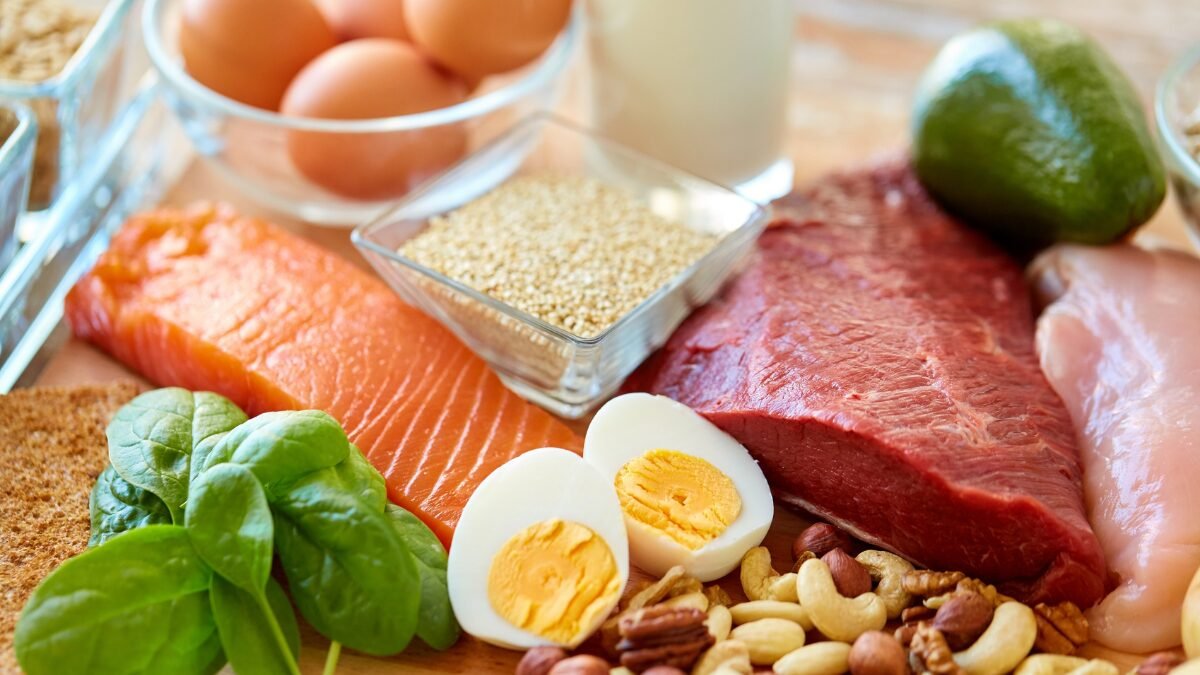
Aim for 0.3-0.5 grams of fat per pound of body weight, prioritizing sources like:
- Fatty fish (salmon, mackerel, sardines)
- Avocados
- Nuts and nut butters
- Olive oil
- Whole eggs
High-quality omega-3 supplements can fill gaps if you’re not eating fatty fish 2-3 times per week. Omega-3s also provide anti-inflammatory benefits that support recovery.
The Caloric Surplus Sweet Spot
You can’t build something from nothing. Building muscle requires a caloric surplus, but here’s where most people go wrong—they eat way too much.
A massive surplus doesn’t build muscle faster; it just makes you fat faster. The muscle-building process is slow and methodical. Your body can only synthesize a limited amount of new muscle tissue per day.
Start with a modest surplus of 200-300 calories above maintenance. This allows for steady muscle growth while minimizing fat gain. Track your progress every 2-3 weeks and adjust accordingly. If you’re gaining more than 0.5-1 pound per week, you’re probably eating too much.
A food scale and tracking app make this process far easier and take the guesswork out of calorie tracking.
Micronutrients: The Missing Link
Everyone focuses on macros, but micronutrients are where the magic happens. Vitamins and minerals regulate thousands of metabolic processes, including muscle protein synthesis, energy production, and recovery.
Key micronutrients for muscle building include:
- Vitamin D: Critical for testosterone production and muscle function. Most people are deficient.
- Magnesium: Involved in protein synthesis and muscle contraction. Aids sleep quality.
- Zinc: Essential for testosterone production and immune function.
- Iron: Necessary for oxygen transport to muscles.
While whole foods should be your primary source, a high-quality multivitamin provides insurance against deficiencies. Individual supplements like Vitamin D3 and magnesium glycinate are worth considering based on your needs.
Hydration: The Performance Multiplier
Water makes up about 75% of muscle tissue. Even mild dehydration (2% body weight loss) can decrease strength by 20% and reduce muscle endurance significantly.
Beyond basic hydration, proper electrolyte balance matters enormously for performance and muscle function. When you sweat during intense training, you lose sodium, potassium, and magnesium—not just water.
Drink at least half your body weight in ounces daily, and more on training days. Quality electrolyte supplements can help maintain optimal hydration status, especially if you train hard or live in hot climates.
Pre-Sleep Nutrition: The Overnight Anabolic Window
Sleep is when the real magic happens—your body releases growth hormone and repairs damaged muscle tissue. But did you know you can optimize this process with strategic pre-sleep nutrition?
Consuming 30-40 grams of slow-digesting protein before bed provides amino acids throughout the night, supporting muscle protein synthesis during those 7-9 hours of fasting. Casein protein digests slowly, making it ideal for this purpose.
Studies show that pre-sleep protein intake can significantly enhance muscle growth and strength gains over time. A quality casein protein powder or simply Greek yogurt with some nuts makes an excellent pre-bedtime snack.
The Truth About Supplements
Let’s be honest—supplements are just that, supplemental. No pill or powder will build muscle for you. That said, certain supplements have solid research backing them:
- Creatine Monohydrate: The most studied supplement in sports nutrition. Increases strength, power, and muscle mass. Take 5 grams daily.
- Whey Protein: Convenient, fast-digesting protein source perfect for post-workout or between meals. Take a look at these.
- Caffeine: Enhances performance, focus, and work capacity. Pre-workout supplements containing caffeine can boost training intensity.
Skip the proprietary blends and exotic ingredients. Stick to proven, research-backed supplements with transparent labeling.
Consistency Trumps Perfection
Here’s the secret nobody wants to hear: the perfect meal plan executed 50% of the time will always lose to a good meal plan executed 95% of the time.
Building muscle is a marathon, not a sprint. You don’t need perfect macros every single day. You need consistent, adequate protein intake, a slight caloric surplus, and patience. Focus on building sustainable nutrition habits rather than following restrictive diets you can’t maintain.
Meal prep on Sundays, keep high-protein snacks available, and learn to make smart choices at restaurants. Meal prep containers and a quality food scale are investments that pay dividends in consistency.
Putting It All Together
Building muscle through nutrition doesn’t require exotic foods or complicated meal timing protocols. It requires understanding the fundamentals and applying them consistently:
- Eat 0.7-1g of protein per pound of body weight daily
- Maintain a modest caloric surplus of 200-300 calories
- Don’t fear carbohydrates—use them strategically around training
- Include adequate healthy fats for hormone production
- Stay hydrated and maintain electrolyte balance
- Spread protein intake across 4-5 meals throughout the day
- Consider strategic supplementation with proven products
- Prioritize consistency over perfection
Remember, your body is incredibly adaptable, but it needs time and the right raw materials to build muscle. Give it adequate protein, energy, and recovery, and it will respond. Start implementing these nutrition secrets today, and you’ll be amazed at the results you see in the coming months.
The iron doesn’t lie—but neither does the kitchen. Your gains are made in the gym but revealed in the kitchen. Now you have the nutrition secrets to make it happen.
Affiliate Disclosure:
This post contains affiliate links, which means I may earn a small commission if you purchase through them—at no extra cost to you. These links help support the content I create and are only included for products I truly believe can enhance your wellness journey.
Have questions about implementing these strategies? Drop them in the comments below! And if you found this helpful, share it with your training partner who needs to hear this.
