

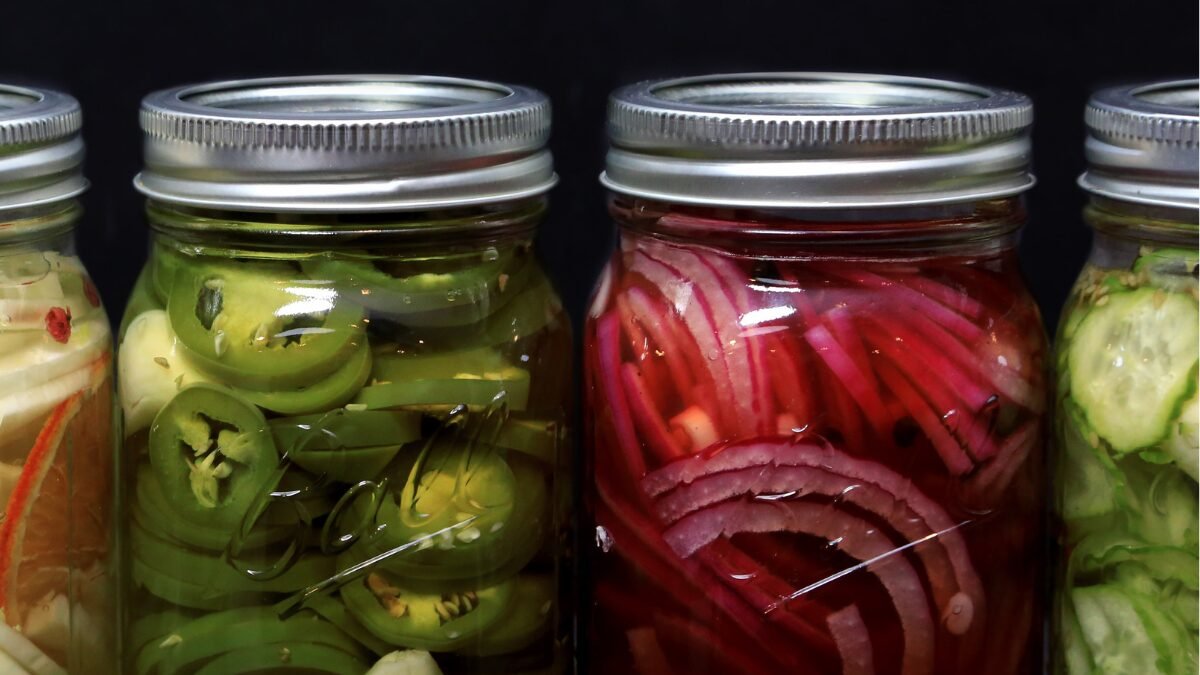
How to Make Fermented Onions: 5 Simple Steps for Tangy, Probiotic-Rich Perfection
If you’ve been exploring the world of fermented foods, you’re in for a treat with fermented onions. These tangy, crunchy gems are incredibly easy to make, pack a powerful probiotic punch, and transform ordinary meals into something extraordinary. Whether you’re a fermentation newbie or a seasoned pro, this foolproof method will have you creating delicious fermented onions in no time.
Why Ferment Onions?
Before we dive into the how-to, let’s talk about why fermented onions deserve a spot in your kitchen. Through the magic of lacto-fermentation, raw onions develop a mellow, tangy flavor that’s less sharp than fresh onions while maintaining that satisfying crunch. Plus, they’re loaded with beneficial probiotics that support gut health and digestion.
Use them to top tacos, burgers, salads, grain bowls, or anywhere you’d use pickled onions. The best part? They’re made with just three ingredients and require minimal hands-on time.
What You’ll Need
- 2 medium onions (red, white, or yellow)
- 1 tablespoon sea salt (avoid iodized salt)
- 2 cups filtered water (chlorine can inhibit fermentation)
- 1 quart-sized glass jar with lid
- Small weight or fermentation weight (optional but helpful)
Step 1: Prepare Your Onions
Start by peeling your onions and slicing them into your desired shape. Thin half-moons work beautifully, but you can also dice them or cut them into rings—whatever suits your preference. The key is to keep the pieces relatively uniform so they ferment evenly.
Pack the sliced onions into your clean glass jar, leaving about 2 inches of headspace at the top. Don’t worry about packing them too tightly; they’ll soften slightly as they ferment.
Step 2: Make Your Brine
In a separate container, dissolve the sea salt in the filtered water, stirring until completely dissolved. This creates a 2% brine solution—the perfect environment for beneficial bacteria to thrive while keeping harmful bacteria at bay.
The quality of your water matters here. Chlorinated tap water can inhibit fermentation, so opt for filtered, spring, or distilled water if possible.
Step 3: Add the Brine and Weight
Pour the brine over your onions until they’re completely submerged, leaving about an inch of space below the rim. This is crucial—onions that float above the brine can develop mold.
If you have a fermentation weight, place it on top of the onions to keep them submerged. No weight? No problem. You can use a small glass jar filled with water, a clean stone, or even a cabbage leaf tucked around the edges to keep everything below the surface.
Step 4: Cover and Ferment
Loosely cover your jar with a lid. You want to allow gases to escape during fermentation while keeping dust and bugs out. Some fermenters prefer using a cloth secured with a rubber band, while others use specialized fermentation lids with airlocks.
Place your jar on a plate or in a bowl (to catch any overflow) and let it sit at room temperature away from direct sunlight. The ideal temperature range is 60-75°F (15-24°C).
Step 5: Wait, Taste, and Store
Now comes the hardest part—waiting! Let your onions ferment for 3-7 days, checking them daily. You’ll notice bubbles forming and the liquid becoming slightly cloudy—both are good signs that fermentation is happening.
Start tasting after day 3. When the onions reach your desired level of tanginess (they’ll become more sour over time), transfer them to the refrigerator. This slows down fermentation significantly while preserving that perfect flavor you’ve achieved.
Troubleshooting Tips
Seeing white film on top? This is kahm yeast—it’s harmless but can affect flavor. Simply skim it off and make sure your onions stay submerged.
No bubbles? Your room might be too cold, or your water might contain chlorine. Try moving to a warmer spot or using better-quality water next time.
Strong smell? Fermenting onions do smell like… well, onions. This is normal! If it smells rotten or foul rather than tangy and onion-y, something went wrong and it’s best to start over.
How Long Do They Last?
Stored in the refrigerator with brine covering them, fermented onions will keep for several months. The flavor will continue to develop over time, becoming more complex and mellow.
Creative Ways to Use Fermented Onions
- Pile them on tacos, nachos, or quesadillas
- Add tang to burgers and hot dogs
- Toss into grain bowls and Buddha bowls
- Mix into potato or egg salad
- Top avocado toast
- Stir into scrambled eggs
- Add to cheese boards
- Use as a pizza topping
Final Thoughts
Fermented onions are a gateway ferment—simple enough for beginners yet delicious enough to keep experienced fermenters coming back for more. Once you master this basic technique, you’ll find yourself experimenting with different onion varieties, adding spices like peppercorns or bay leaves, or trying other vegetables using the same method.
So grab some onions, mix up that brine, and start your fermentation journey. Your gut (and your taste buds) will thank you!
Have you tried fermenting onions before? What’s your favorite way to use them? Share your experiences in the comments below!
